
A local’s guide to exploring Portugal’s hidden wonders
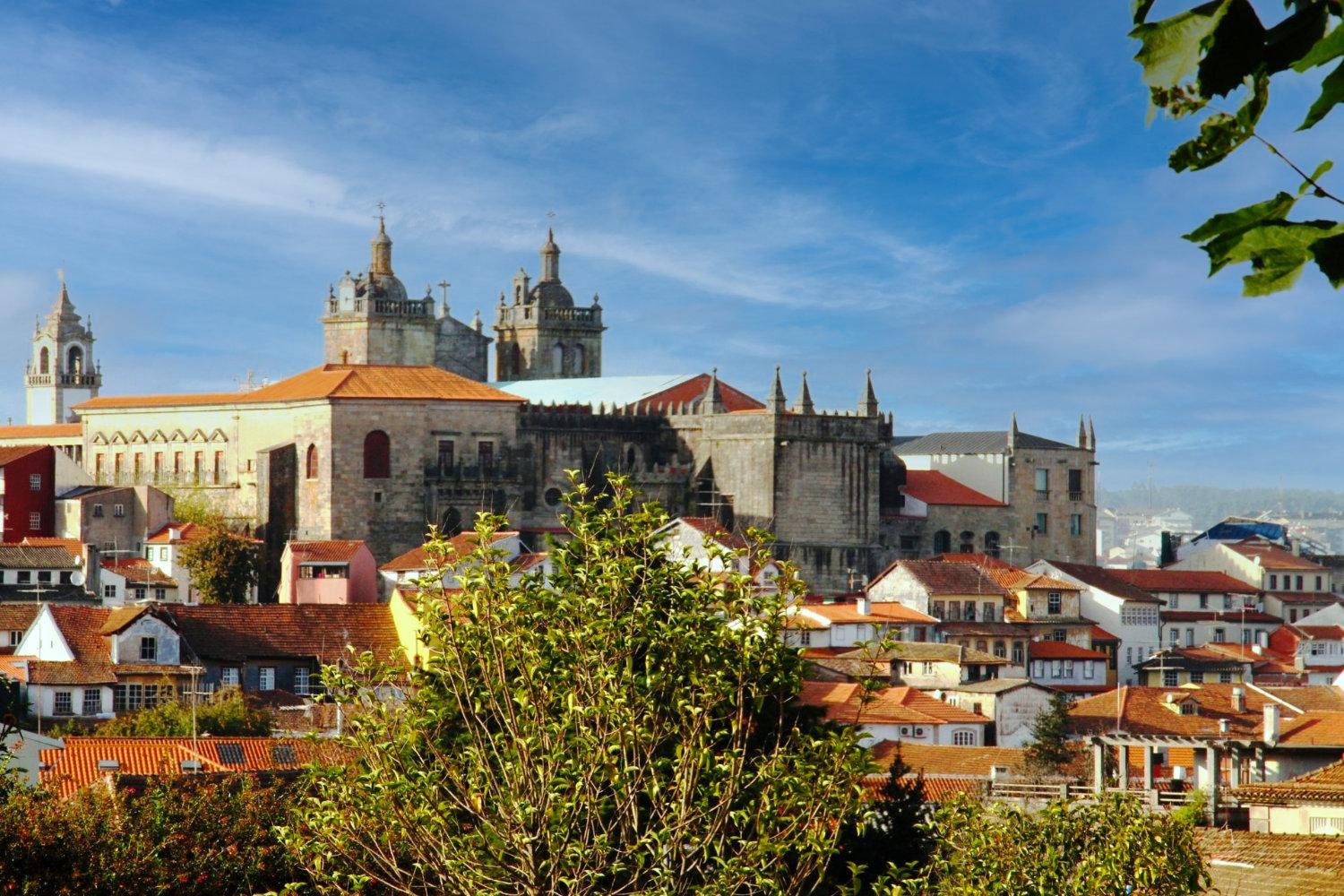

Are you planning a trip to Central Portugal this year?
Are you looking for smart travel tips for visiting Central Portugal? This enchanting region, nestled between bustling Porto and cosmopolitan Lisbon, offers an authentic slice of Portuguese life often overlooked by mainstream tourism.
From medieval villages and ancient forests to pristine beaches and mountain ranges, Central Portugal is a treasure trove of experiences waiting to be discovered.
As someone who’s explored many of the corners of this diverse region, I’m excited to share my insider tips to help you make the most of your visit.
Travel Light, Travel Smart
Central Portugal’s diverse landscape and climate require thoughtful packing. While coastal areas like Figueira da Foz (Coimbra Region) can be warm and breezy, the Serra da Estrela mountains can experience significant temperature variations. Pack layers and comfortable walking shoes – you’ll need them for cobblestone streets in historic towns like Óbidos and Tomar.
Smart Travel Pro tip: Portuguese pharmacies (farmácias) are excellent and easily identifiable by their green crosses. You can find most essentials there, so don’t overpack toiletries.
However, do bring comfortable shoes – you’ll be walking more than you expect!
Embrace the Local Language
“Bom dia” (good morning) and “Obrigado/a” (thank you) – these simple Portuguese phrases can transform your experience. While English is widely spoken in tourist areas, venturing into the heartland of Central Portugal requires some basic Portuguese.
Here are essential phrases to learn:
- Por favor (please)
- Com licença (excuse me)
- Fala inglês? (Do you speak English?)
- Muito bom (very good)
- Saúde (cheers)
The locals are incredibly patient with language learners, and your efforts will be warmly appreciated, often leading to wonderful conversations and local recommendations.
Savour the Local Cuisine
Central Portugal’s gastronomy is a celebration of hearty, authentic flavors. While pastel de nata is famous nationwide, each region has its specialties:
- Chanfana (wine-braised goat) in Coimbra
- Bacalhau à lagareiro (olive oil-roasted cod) in Aveiro
- Leitão da Bairrada (suckling pig) in Mealhada
- Serra da Estrela cheese in the mountain regions
- Caldeirada (fish stew) along the coast
Remember, Portuguese dining hours are generally later than in Northern Europe but earlier than in Spain. Lunch is typically 1-3 PM, and dinner starts around 8 PM. Many restaurants close between lunch and dinner service, so plan accordingly.
Vegan and Vegetarian Options
While Central Portugal’s traditional cuisine is heavy on meat and seafood, the region has embraced plant-based dining with surprising enthusiasm. Here’s how to enjoy meat-free meals in Central Portugal:
Traditional Vegetarian Options:
- Sopa da Pedra (stone soup) – request the vegetarian version without chouriço
- Migas à Alentejana – traditionally made with bread, garlic, and seasonal vegetables
- Peixinhos da horta – tempura green beans (check if batter contains egg)
- Arroz de cogumelos – mushroom rice
- Grelos salteados – sautéed turnip greens
Modern Vegan Scenes:
- Coimbra’s university area hosts several contemporary vegan cafes
- Aveiro offers innovative plant-based versions of traditional dishes at Musgo’s Restaurante Vegan
- Figueira da Foz’s beachfront restaurants serve fresh vegetable-focused meals
- Tomar and Óbidos have dedicated vegetarian restaurants in their historic centers
Pro Tips for Plant-Based Dining:
Learn these phrases:
- “Sou vegetariano/a” (I’m vegetarian)
- “Sou vegano/a” (I’m vegan)
- “Sem carne” (without meat)
- “Sem peixe” (without fish)
- “Sem lacticínios” (without dairy)
- “Sem ovos” (without eggs)
- Traditional restaurants usually have excellent vegetable soups (sopa de legumes).
- Local markets offer fresh, seasonal produce if you’re self-catering.
- Many pastry shops now offer vegan versions of traditional pastéis.
- Buddhist temples in the region often serve vegetarian meals.
- Download the Happy Cow app for up-to-date listings of vegan-friendly establishments.
Common Plant-Based Ingredients in Central Portuguese Cuisine:
- Grão (chickpeas)
- Feijão (beans)
- Couve (kale)
- Batata doce (sweet potato)
- Azeitonas (olives)
- Cogumelos (mushrooms)
Explore Beyond the Car
While having a car is often useful in Central Portugal, some of the best experiences come from alternative forms of transportation:
- Take historic trains through the Douro Valley
- Cycle the extensive Ciclovias (bike paths) connecting coastal towns
- Hike the ancient Schist Villages trails
- Use local buses to reach authentic mountain villages
- Walk the medieval streets of walled cities
- Walk Portugals historic trails and Caminhos
The Duro Valley by Train
The historic train journey through Portugal’s Douro Valley follows the meandering path of the Douro River, cutting through one of the world’s oldest wine regions. Dating back to the 1880s, the railway line was an engineering marvel of its time, featuring numerous tunnels and bridges carved through the steep terraced hillsides. As the train winds along the riverbank, passengers are treated to breathtaking views of the UNESCO World Heritage landscape, where centuries-old vineyards create a patchwork pattern on the slopes, and traditional quintas (wine estates) dot the countryside. The journey showcases both the natural beauty of the valley and human ingenuity, as the railway played a crucial role in transporting the region’s famous port wine from the vineyards to the coastal city of Porto.
A Network of Ciclovias (cycle paths)
The extensive network of Ciclovias in Central Portugal offers cyclists a remarkable way to explore the region’s diverse landscapes and cultural heritage. These well-maintained bike paths, many converted from former railway lines, wind through ancient olive groves, cork forests, and traditional stone villages. The Ecopista do Dão, one of the most popular routes, stretches for nearly 50 kilometers between Viseu and Santa Comba Dão, following the path of a decommissioned railway line through vineyards and rolling hills. These dedicated cycling paths are notable for their accessibility, featuring gentle gradients and smooth surfaces that make them suitable for riders of all abilities, while providing convenient connections to historical towns, local markets, and scenic picnic spots along the way.
Many towns offer bike rentals for €15-20 per day, and the growing network of cycling paths makes this an increasingly popular way to explore the region.
Central Portugals ancient Schist Villages trails
The ancient Schist Villages (Aldeias do Xisto) trails weave through Central Portugal’s rugged Serra da Lousã and Serra do Açor mountains, connecting a network of 27 historic villages built primarily from local schist stone. These well-marked paths follow centuries-old routes once used by shepherds and traders, offering hikers intimate glimpses into Portugal’s rural heritage. The trails wind through terraced hillsides and chestnut forests, linking villages where time seems to stand still, with their narrow cobbled streets, communal bread ovens, and distinctive dark-stone architecture. Along these routes, hikers discover traditional crafts like linen weaving and basketry, while enjoying panoramic views of the surrounding valleys, where medieval bridges span crystal-clear streams and traditional agricultural practices continue much as they have for generations.
Walking Portugal’s Historic Hiking Trails
PR and GR Routes
Central Portugal’s network of hiking trails offers an incredible way to discover the region’s diverse landscapes and rich heritage. Here are some smart travel tips for visiting Central Portugal on foot.
The trails are divided into two main categories:
PR (Pequenas Rotas – Short Routes)
These circular or linear trails are marked with yellow and red stripes and typically cover distances under 30km. Notable PR routes in Central Portugal include:
- PR1 VCP (Rota dos Sete Vales Suspensos) – A stunning 6km coastal walk near Lagoa
- PR2 TND (Rota das Aldeias de Xisto) – An 8km schist village circuit
- PR3 GDL (Serra da Lousã) – A challenging 17km mountain trail
- PR5 TND (Rota dos Abutres) – A 10km route known for wildlife spotting
GR (Grandes Rotas – Long Routes)
These long-distance paths are marked with red and white stripes, often connecting regions or even countries. Significant GR routes include:
- GR22: The Historic Villages Route
Length: 540km
Connects 12 historic villages
Can be done in sections
Highlights medieval architecture and rural landscapes
- GR11-E9: The Atlantic Coast Route
Part of the European long-distance path network
Follows the Portuguese coastline
Spectacular ocean views
Links fishing villages and beach towns
- GR26: The Ancient Art Route
Connects prehistoric rock art sites
Passes through Serra da Malcata
Rich in archaeological significance
Diverse flora and fauna
Understanding Trail Markers:
- Red and Yellow (PR routes):
▪️ Right direction
▪️ Wrong direction
▪️ Turn right
▪️ Turn left
- Red and White (GR routes):
▪️ Continue straight
▪️ Change of direction
▪️ Wrong way
Essential Trail Tips:
- Get official trail maps from local tourism offices
- Download offline maps before starting
- Carry more water than you think you’ll need
- Check weather conditions – trails can be dangerous in rain
- Inform your accommodation of your hiking plans
- Wear appropriate footwear – many trails are rocky
Best Hiking Seasons:
- Spring (March-May): Wildflowers and moderate temperatures
- Autumn (September-November): Clear skies and cool weather
- Winter: Suitable for lower altitude trails
- Summer: Early morning starts recommended, avoid midday heat
Trail Infrastructure:
- Most routes have regular waymarking
- Water fountains in villages
- Rest areas at scenic points
- Local accommodation options
- Emergency contact points
Popular Trail Regions:
Serra da Estrela:
- Highest mountain range in Portugal
- Various difficulty levels
- Snow routes in winter
- Rich biodiversity
Serra do Açor:
- Ancient forest paths
- Traditional villages
- Water features
- Rich flora
Beira Baixa:
- Historical routes
- River valleys
- Castle connections
- Rural landscapes
Planning Resources:
- Download the official “Percursos Pedestres” app
- Join local hiking groups
- Check municipal websites for trail conditions
- Consider guided options for more challenging routes
The Portuguese Camino Routes
Ancient Paths to Santiago
Central Portugal plays a crucial role in the famous Camino de Santiago network, offering several historic pilgrimage routes that have been walked for centuries. The main Portuguese Camino paths through this region are steeped in history and spirituality while offering stunning landscapes and cultural experiences.
The Central Portuguese Way (Caminho Português Central)
The most popular Portuguese route starts in Lisbon and passes through the heart of Central Portugal. Key stages include:
- Tomar: Home to the magnificent Convento de Cristo
- Alvaiázere: Known for its Roman heritage
- Coimbra: Historic university city
- Mealhada: Famous for its gastronomy
- Albergaria-a-Velha: Traditional pilgrimage stop
The Portuguese Coastal Way (Caminho Português da Costa)
This alternative route hugs the Atlantic coast, offering:
- Figueira da Foz: Beautiful coastal scenery
- Praia de Mira: Traditional fishing communities
- Aveiro: The “Venice of Portugal”
- São Jacinto Natural Reserve: Rich biodiversity
- Ocean views throughout the journey
Practical Camino Information:
- Routes are marked with yellow arrows and scallop shells
- Albergues (pilgrim hostels) are available in major stops
- Credential (pilgrim passport) available at churches and tourism offices
- Best walking seasons: April-June and September-October
- Average daily stages: 20-25km
- Full Portuguese route takes 25-30 days
- Many pilgrims choose to walk shorter sections
Whether you’re a spiritual pilgrim or cultural enthusiast, these Camino routes offer a unique perspective on Central Portugal’s landscapes, heritage, and warm hospitality. Many travelers combine sections of the Camino with other walking routes to create their own personalized Portuguese adventure.
Timing is Everything
Strategic timing can transform your Central Portuguese experience:
- Visit historic sites early to avoid both crowds and afternoon heat
- Plan indoor activities for 1-4 PM when many businesses observe traditional closure hours
- Experience markets in the morning when they’re most active
- Visit monasteries (like Batalha and Alcobaça) in late afternoon for the best light
- Plan coastal activities around the tides
The cooler seasons (April-June and September-October) offer the perfect balance of good weather and fewer tourists. July and August can be very hot and crowded, especially in coastal areas.
Smart Cultural Trips
Understanding local customs enhances your experience:
- Coffee culture is important – don’t order cappuccino after mid-day!
- Lunch is the main meal of the day
- Many historic sites are closed on Mondays
- Tipping is modest – 5-10% is standard
- Religious sites require modest dress
- Always greet shop owners when entering and leaving
River Beaches – Praias Fluviais
Central Portugal’s river beaches, known locally as “praias fluviais,” offer a refreshing alternative to coastal beaches, dotting the pristine waterways that thread through the region’s landscapes. These natural swimming spots, often framed by granite boulders and shaded by ancient oak and pine trees, range from developed beaches with lifeguards and facilities to hidden natural pools tucked away in forested valleys.
The Zêzere River and its tributaries host some of the most popular spots, including the dramatic Praia Fluvial de Janeiro de Baixo and the crystal-clear waters of Praia Fluvial de Palheiros. Many of these river beaches feature distinctive wooden walkways, picnic areas, and small cafes serving local specialties, while maintaining their natural charm through careful preservation of the surrounding ecosystem and traditional stone architecture that characterizes the region.
Final Thoughts
Central Portugal isn’t just about ticking off tourist attractions – it’s about immersing yourself in a lifestyle that has remained authentic despite modernization. Whether you’re exploring the mystical Convento de Cristo in Tomar, surfing the Atlantic waves in Nazaré, or hiking in the Serra da Estrela, take time to embrace the region’s slower pace and rich traditions.
The real magic of Central Portugal lies in its ability to surprise you – a random turn down a cobblestone street might lead to a family-run restaurant serving the best meal of your trip, or a conversation with locals might reveal a hidden beach or viewpoint not found in any guidebook.
PR AND Media Enquiries
T: (+351) 911-827-019
A to Z Travel Club
Membership to the Portugal A to Z Travel Club will open when the first travel guide book is published in early 2026. To receive information closer to the publication, leave your name and email and we'll be in touch.
Follow Us
Address
Rua Tomas Da Fonseca,
Portugal, 3450-303
© Verkko Publishing PT 2025