
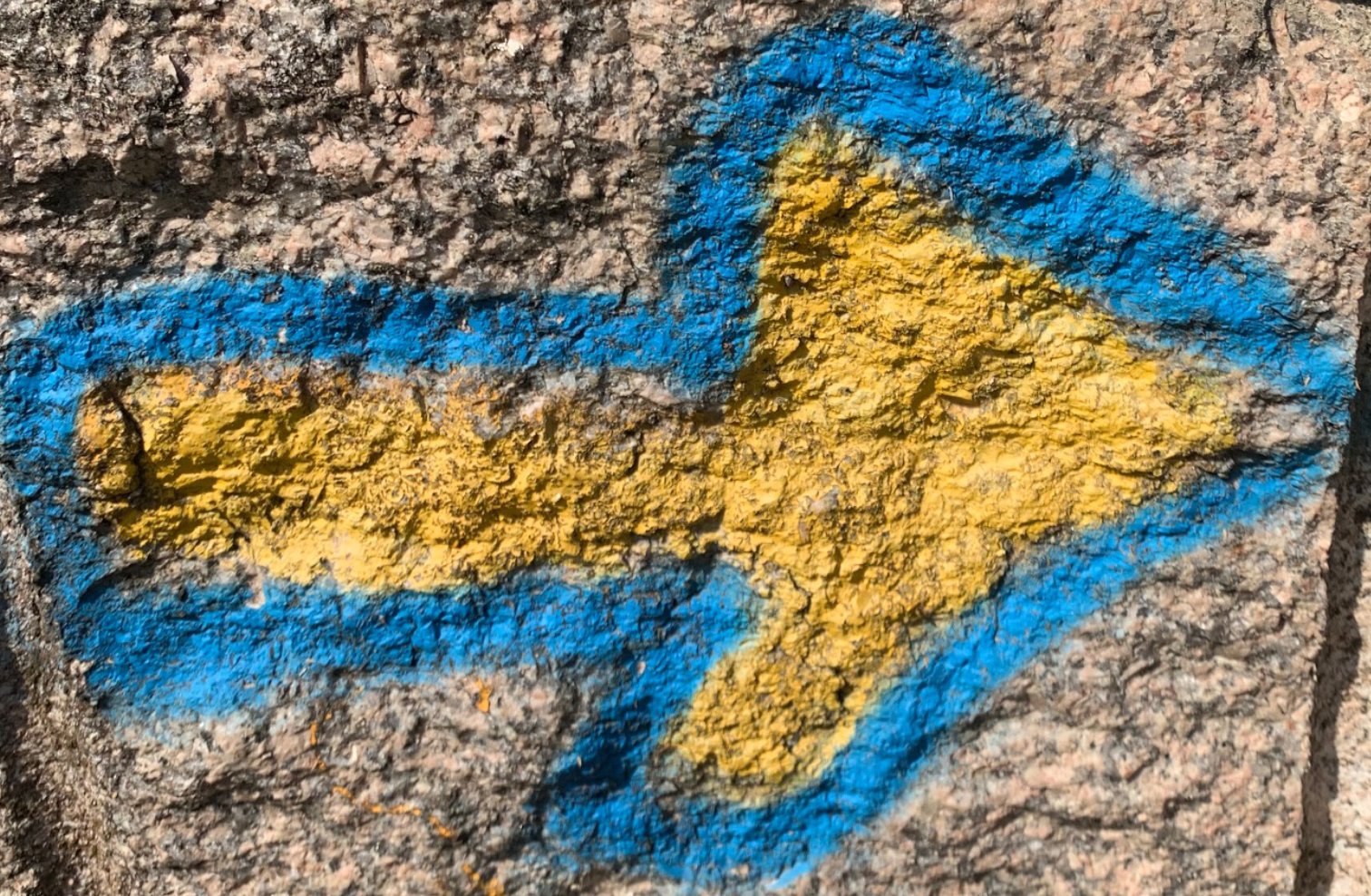

A new camino path, waiting to be discovered
The Caminho Natural da Espiritualidade (Natural Path of Spirituality) is a newly signposted and designated official pilgrimage route in Portugal. This Central Portugues Caminho experience starts in Coimbra and finishes approximately 70km away in Santa Comba Dão.
Here are ten specific aspects about this route:
- The Caminho Natural da Espiritualidade connects Coimbra, a historic university city, to Santa Comba Dão in central Portugal, passing through the Mondego Valley.
- This route is newer and less travelled than the more famous and established Portuguese Camino routes, offering a more solitary and contemplative experience.
- The path traverses through diverse landscapes including forests, vineyards, olive groves, and traditional Portuguese villages.
- It’s approximately 70 kilometers in length and can typically be completed in 3-4 days of walking.
- The route is designed to highlight Portugal’s rich spiritual heritage, connecting various religious sites, monasteries, and places of contemplation.
- Along the way, pilgrims can visit the Monastery of Santa Clara-a-Velha in Coimbra, an important Gothic monument partially submerged by the Mondego River for centuries.
- The path follows partially along the Mondego River, Portugal’s longest river that flows entirely within Portuguese territory.
- The route passes through the Serra do Buçaco, a mountain range with a protected forest area that contains exotic species collected by Portuguese navigators during the Age of Discovery.
- Traditional Portuguese hospitality is a highlight, with opportunities to experience authentic regional cuisine and local wines from the Dão region.
- The Caminho connects to the broader network of Portuguese spiritual routes that eventually link to Santiago de Compostela in Spain.
Stages of this Camino
The typical way-marked stages of this Camino include:
- Coimbra to Penacova (approximately 25 km)
- Penacova to Mortágua (approximately 22 km)
- Mortágua to Santa Comba Dão (approximately 23 km)
Main towns and villages the Caminho passes through:
- Coimbra – The starting point, a historic university city with rich cultural heritage
- Ceira – A small riverside village shortly after Coimbra
- Torres do Mondego – A picturesque village along the Mondego River
- Penacova – Known for its windmills and panoramic views of the Mondego Valley
- Oliveira do Mondego – A small settlement with traditional rural architecture
- Travanca do Mondego – A quaint village surrounded by natural beauty
Vila Nova – A small hamlet in the countryside - Mortágua – A significant stop on the route with more services for pilgrims
Vale de Açores – A peaceful rural village - Santa Comba Dão – The endpoint of this Caminho, a historic town with connections to other routes.
Each of these locations offers its own unique character and glimpses into traditional Portuguese rural life. The route is newly marked with the offical yellow shell Camino arrows, though signage may be less frequent than on more established Camino routes.
When should I walk the Camino?
Best Seasons to Walk the Natural Path of Spirituality
Spring (April to June)
Spring offers an ideal balance of comfortable temperatures and natural beauty along the Caminho Natural da Espiritualidade. The Mondego Valley comes alive with wildflowers, and the countryside turns a vibrant green. Average temperatures range from 15-25°C (59-77°F), perfect for walking. Spring also brings occasional rainfall which keeps the landscape lush but rarely disrupts walking plans significantly. Easter celebrations in villages along the route add cultural richness to your pilgrimage experience.
Autumn (September to November)
Autumn provides excellent walking conditions with warm days, cool evenings, and generally stable weather. Temperatures typically range from 12-22°C (54-72°F). The grape harvest in September and olive harvest in late autumn offer opportunities to witness or even participate in traditional agricultural activities. The changing colors of vineyards and deciduous forests create spectacular scenery, especially around the Buçaco forest and Mondego Valley. Local festivals celebrating the harvest are common during this period.
Seasons probably to Avoid!
Summer (July-August) can bring extreme heat with temperatures regularly exceeding 35°C (95°F), making lengthy walking stages challenging and potentially dangerous. Winter (December-February) brings frequent rain, occasional frost in higher elevations, and shorter daylight hours, though snow is rare. Some smaller accommodations and restaurants may close during the winter off-season.
Practical Tips for Pilgrims
Navigation & Route Marking
- The route is marked with yellow arrows and occasional shell symbols, though markings may be less frequent than on more established Camino routes
- Download the official Caminho Natural da Espiritualidade app or GPS tracks before starting
- Carry physical maps as backup, as mobile coverage can be spotty in rural areas
- Learn a few basic Portuguese phrases for asking directions if you get lost
Accommodation
- Book accommodation in advance, especially during spring and autumn or if you have specific needs
- Smaller villages have limited options – sometimes just one guesthouse or casa rural
- Carry a pilgrim credential (can be obtained in Coimbra) for discounts at pilgrim-friendly accommodations
- Budget approximately €30-50 per night for simple accommodations, more for upscale options
If you are offering accomodation on this route, please get in touch so that we can share details with pilgrims.
Equipment & Packing
- Lightweight, breathable clothing with layers is essential for variable weather
- Quality walking shoes with ankle support are recommended for occasional rocky terrain
- A hat and sunscreen are crucial even outside summer months
- Walking poles help with some of the steeper sections, particularly around Penacova
- Pack a reusable water bottle – there are fountains in most villages for refilling your water supply.
- Carry a basic first aid kit with blister treatment supplies
Food & Water
- Many smaller villages have limited dining options – check opening hours in advance
- Carry energy-dense snacks as distances between services can sometimes be long
- Most restaurants serve lunch from 12-3pm and dinner from 7:30-10pm
- Grocery stores are generally closed on Sunday afternoons
- Dietary restrictions should be communicated in advance or learn relevant Portuguese phrases
Cultural Considerations
- Churches and chapels along the route are active places of worship – dress and behave respectfully
- Greeting locals with “Bom dia” (good morning) or “Boa tarde” (good afternoon) is appreciated
- Many smaller establishments don’t accept credit cards – carry sufficient cash
- Tipping is not expected but rounding up the bill is appreciated for good service
- The pace of service in rural Portugal is relaxed – embrace the slower rhythm
Safety & Health
- Carry a European Health Insurance Card (EHIC) if you’re an EU citizen
- Note the locations of pharmacies (farmácias) along the route for minor health issues
- The European emergency number (112) works throughout Portugal
- UV radiation can be intense even on cloudy days – protect your skin
- Stay hydrated, especially when walking along exposed sections of the route
Connecting Routes
- From Santa Comba Dão, you can connect to other Portuguese Camino routes heading north toward Santiago de Compostela. The most direct connection will be to travel on to Viseu where you can pick up the Interior Camino path.
- Public transportation from both Coimbra and Santa Comba Dão connects to major Portuguese cities
- Consider spending extra time in Coimbra before starting your journey, it’s a culturally rich city to explore.
PR AND Media Enquiries
T: (+351) 911-827-019
A to Z Travel Club
Membership to the Portugal A to Z Travel Club will open when the first travel guide book is published in early 2026. To receive information closer to the publication, leave your name and email and we'll be in touch.
Follow Us
Address
Rua Tomas Da Fonseca,
Portugal, 3450-303
© Verkko Publishing PT 2025